
Belgrade, Serbia
MR DESIGN STUDIO ®
Industrial Design · Graphic Design · 3D Modeling & 3D Rendering · 3D Animation · Website · Marketing · VR ·
Belgrade, Serbia
Be recognized.
The story of David Ogilvy resembles a novel about a man who built an empire through words, the art of communication, and a profound understanding of people. His name is forever etched in the annals of marketing history, and his influence still lingers, even as the world of marketing continuously evolves.
Born in 1911 in England, David Ogilvy did not inherit immense wealth, but he did inherit remarkable intelligence and a sharp mind. He entered the advertising world as a writer, and his passion for writing led him into the field of marketing.

Unlike some of his contemporaries, he believed that honesty was key in advertising. He set high standards for himself and his agency, insisting on quality and research to create effective communication with the target audience.
"Sales result from efficient communication, not manipulation."
1. Research as the Foundation: Research your product. Research your target audience. Research your market. He believed that in-depth research was crucial for understanding consumers and creating effective campaigns.
2. Simplicity and Clarity: "One idea, one product, one communication." This principle emphasizes the need for clarity in communication, focusing on a core message that would be easily understood by consumers.
3. Testing and Measurement: "Some people use magic circles. I use tests." Ogilvy advocated for testing various strategies and approaches, measuring the results, and adapting campaigns to achieve the best outcomes.
Creativity as a Magnet for Attention: "There is no good or bad advertisement, only advertisements that sell and those that don’t." Creativity should be directed towards achieving goals - selling a product or service.
Never use empty words and never use words unnecessarily.
"Ignoring research and signals our audience sends us is as dangerous as ignoring hostile signals in military operations."
The ability to speak the same language as our target audience is crucial for success. Ogilvy emphasized using language and tone that the target audience uses daily. Ignoring research and signals our audience sends us is as dangerous as ignoring hostile signals in military operations. Continuous testing and improvement based on results are crucial for successful advertising.
Do not address readers as if they are gathered on a stadium. When people read your text, they are alone. Pretend you are writing to each of them on behalf of your client.
Headlines are crucial - on average, five times as many people read the headline as read the body copy. Simplicity and clarity in headlines are important because if the headline is confusing, people will stop reading. Originality is excellent, but it must not be confusing.
When you have written your headline, you have spent eighty cents of your dollar.
"In the modern business world, it is useless to be a creative, original thinker unless you can sell what you create."
When you sit down to write marketing copy, think about:
• Connecting with the audience
• Building trust
• Selling the product or service; create content that will be useful, informative, or entertaining to your target audience.
Great ideas come from the subconscious. This applies to art, science, and advertising. But your subconscious mind must be well-informed, or else your idea will be irrelevant. Fill your conscious mind with information, then relinquish your rational thinking process. You can aid this process by walking, taking a warm bath, or having a glass of wine. Suddenly, if the telephone line of your subconscious is open, a great idea will occur to you.

This concept refers to the essence of a campaign, the fundamental idea that will inspire, engage, and sell the product or service.
• • Did it excite me when I first saw it?
This question relates to the ability of the idea to immediately capture the attention and interest of someone encountering it for the first time.
• • Would I have wished I had thought of it?
This concerns the brilliance, simplicity, and effectiveness of the idea.
• Is it unique?
This question emphasizes the importance of the idea's originality and uniqueness. Ogilvy believed that unique ideas were crucial for standing out in the crowd and being remembered by the audience.
• Does it fit the strategy perfectly?
This question addresses the alignment of the idea with the marketing strategy. Marketing campaigns must align with the client's goals and the strategy they have set.
• Could it be useful in 30 years?
This question deals with the long-term impact of the idea. Ogilvy promoted ideas that would have a lasting impact on the audience and the market.
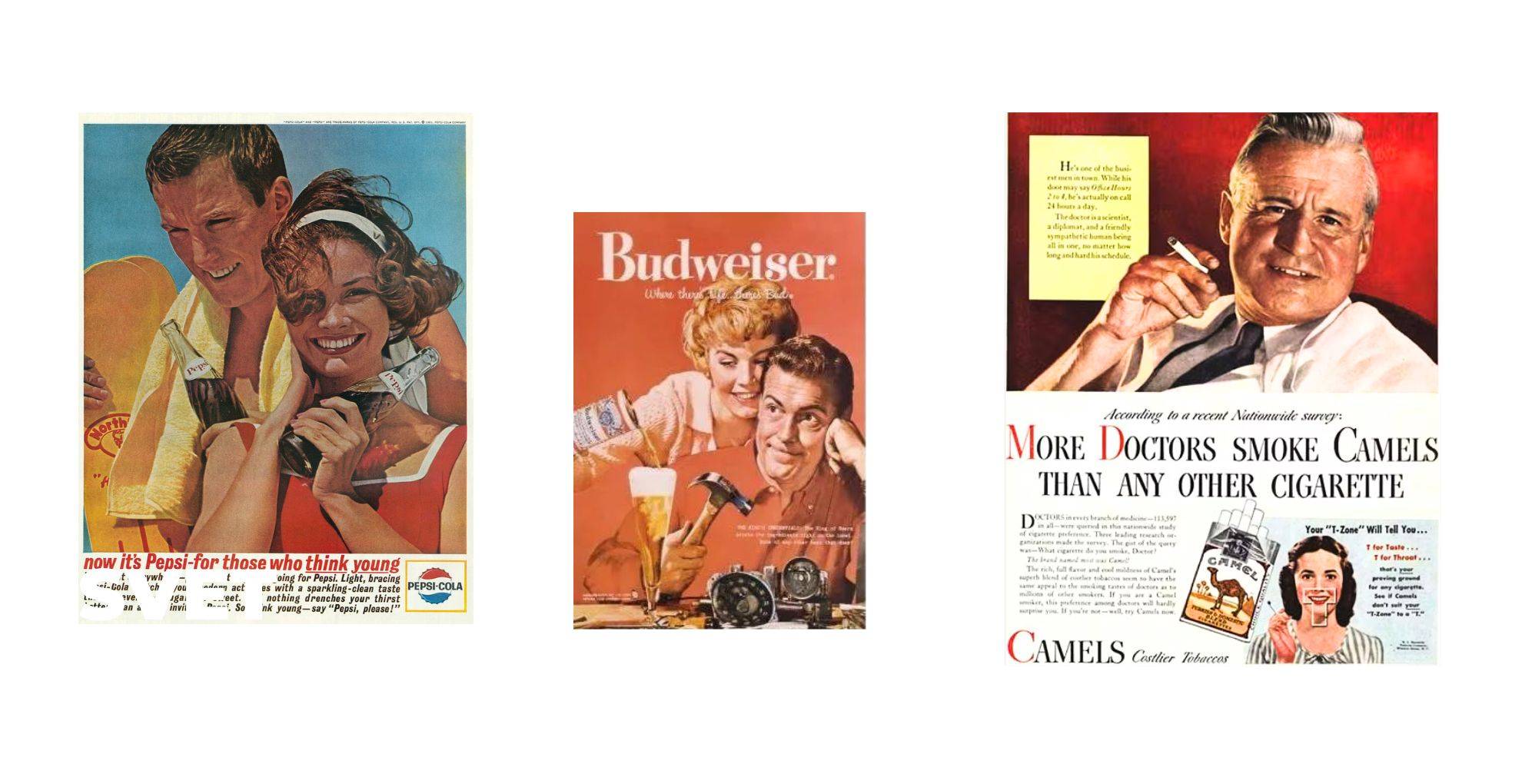
The 50s and 60s were an era of traditional advertising - print ads, radio, television.
Although tools and technology have drastically changed since the 60s, there are several key principles that can be applied today.
Approaching market research and deeply understanding the target audience remains the fundamental pillar of any successful marketing endeavor. The digital space allows for rapid testing and real-time campaign optimization.
Ogilvy's advice to focus on a single clear idea still stands, but today it requires adaptation to various platforms and channels to effectively convey the idea to a diverse audience.
Insights gleaned in the advertising world of the 50s and 60s still hold relevance and can serve as the foundation for innovative marketing strategies in today's digital age.