
Belgrade, Serbia
MR DESIGN STUDIO ®
Industrial Design · Graphic Design · 3D Modeling & 3D Rendering · 3D Animation · Website · Marketing · VR ·
Belgrade, Serbia
Be recognized.

For instance, if your website provides wedding services, these long-tail terms can attract people seeking specific information or resources that match their needs.
Generic keywords: "wedding planning"
Long-tail keywords:
1. "best outdoor wedding venues in [your city]"
2. "how to plan an affordable beach wedding"
3. "unique handmade wedding bouquets"
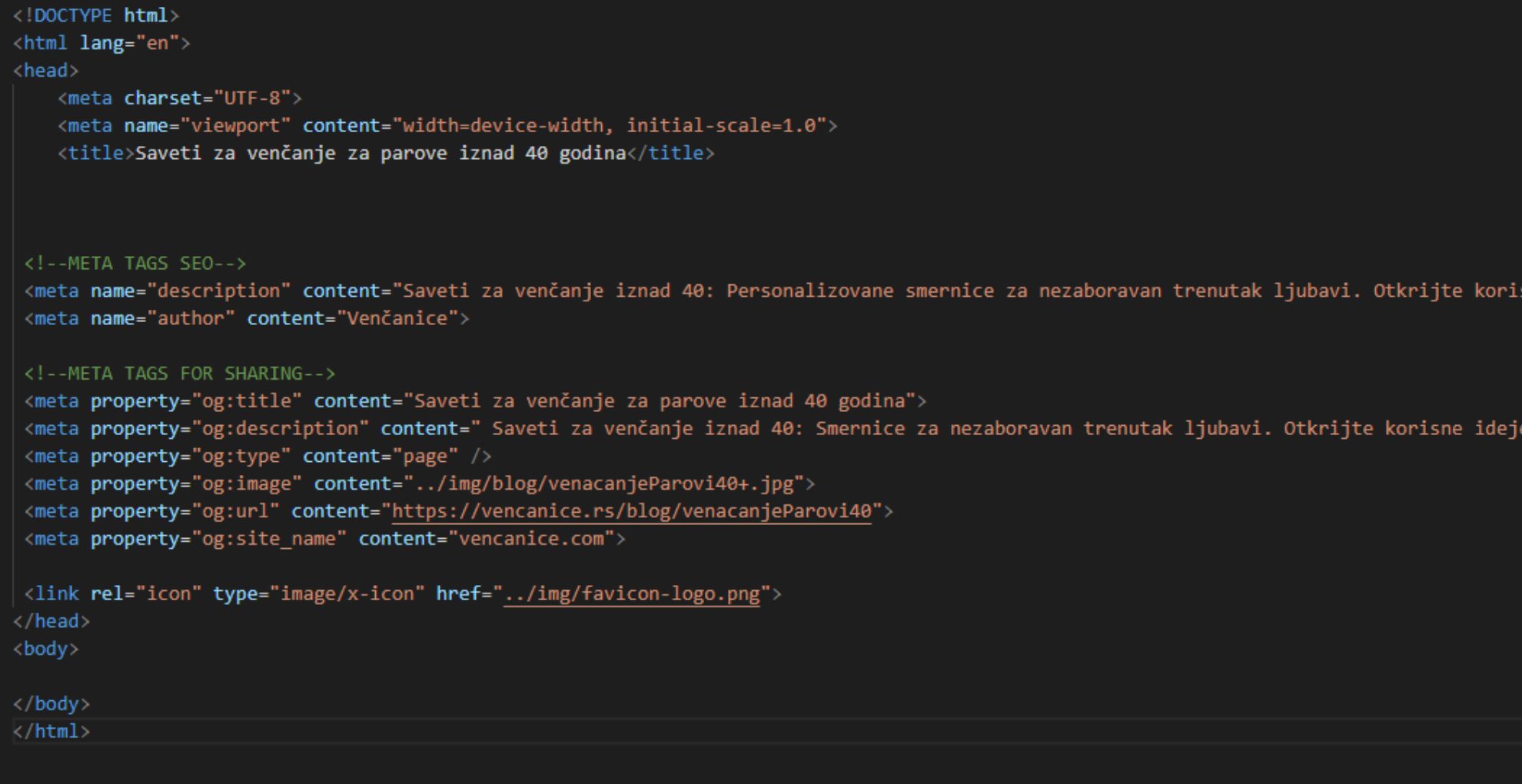
4. "wedding tips for couples over 40"
5. "how to choose the perfect wedding date in 2024"
These long-tail keywords are specific and target particular needs or interests of users.
Additionally, specific geographic markers or particular target groups (such as older couples) can further narrow down targeting, helping you attract relevant audiences.
Adapt these examples to your industry and goals, considering specificities relevant to your target audience.
OChoosing effective long-tail keywords for SEO optimization is a crucial step in improving your website's visibility on search engines. Here are a few steps you can take to select optimal long-tail keywords:
• Understand your target audience and their needs.
• Research keywords relevant to the industry and products/services you offer.
• Use tools like Keyword Planner, Semrush, Ahrefs ili Ubersuggest to explore relevant keywords.
• Focus on long-tail keywords with lower competition but sufficient search volume.
• Study competitors to learn which keywords they use.
• Identify long-tail keywords that are not overly competitive but are relevant to your content.
• Long-tail keywords often reflect how people naturally search for information. Consider how your target audience asks questions or expresses needs.
• Long-tail keywords are typically more specific. Instead of "laptop," you might target "best laptop for programming 2024.".
• Monitoring keyword performance is crucial. Use Google Analytics, Google Search Console, or other tracking tools.
• If certain keywords are not yielding results, be prepared to adjust your strategy.
• Integrate selected long-tail keywords naturally into your content.
• Provide informative, relevant, and high-quality content that matches user queries.
• Include long-tail keywords in meta descriptions, titles, and other HTML tags.
• This helps search engines better understand the content of your page.
• If you operate locally, include long-tail keywords related to your geographic area.
• SEO is dynamic, so regularly update your keywords and strategy to align with changes in the industry, technology, and user behavior.
Properly chosen long-tail keywords can significantly enhance your SEO optimization and attract a target audience interested in your content.