
Belgrade, Serbia
MR DESIGN STUDIO ®
Industrial Design · Graphic Design · 3D Modeling & 3D Rendering · 3D Animation · Website · Marketing · VR ·
Belgrade, Serbia
Be recognized.
"A quality design is not a luxury, but a necessity. The price you pay for creativity is actually an investment in your own success."
Today, we'll dive into the world of graphic design and reveal to you a few secrets on how prices are formed in the creative industry. If you're looking for answers to questions like "How much does a good logo cost?" or "What lies behind the prices of packaging design?" - stick around, because you'll get all the answers you're looking for. 😉
First and foremost, we must understand that price isn't just a number you pull out of a hat. It's the result of various factors, much like in a top-notch recipe.
Let's start with what we all love - saving money. You might come across offers that promise a logo for 20 euros or an entire corporate identity for the price of fast food. Sounds tempting, doesn't it? But beware! This isn't about quality; it's about speed and superficiality. Your logo might look cute, but is it truly representative of your company? Investing in professional design is like buying good wine - it's a bit more expensive, but worth every drop.
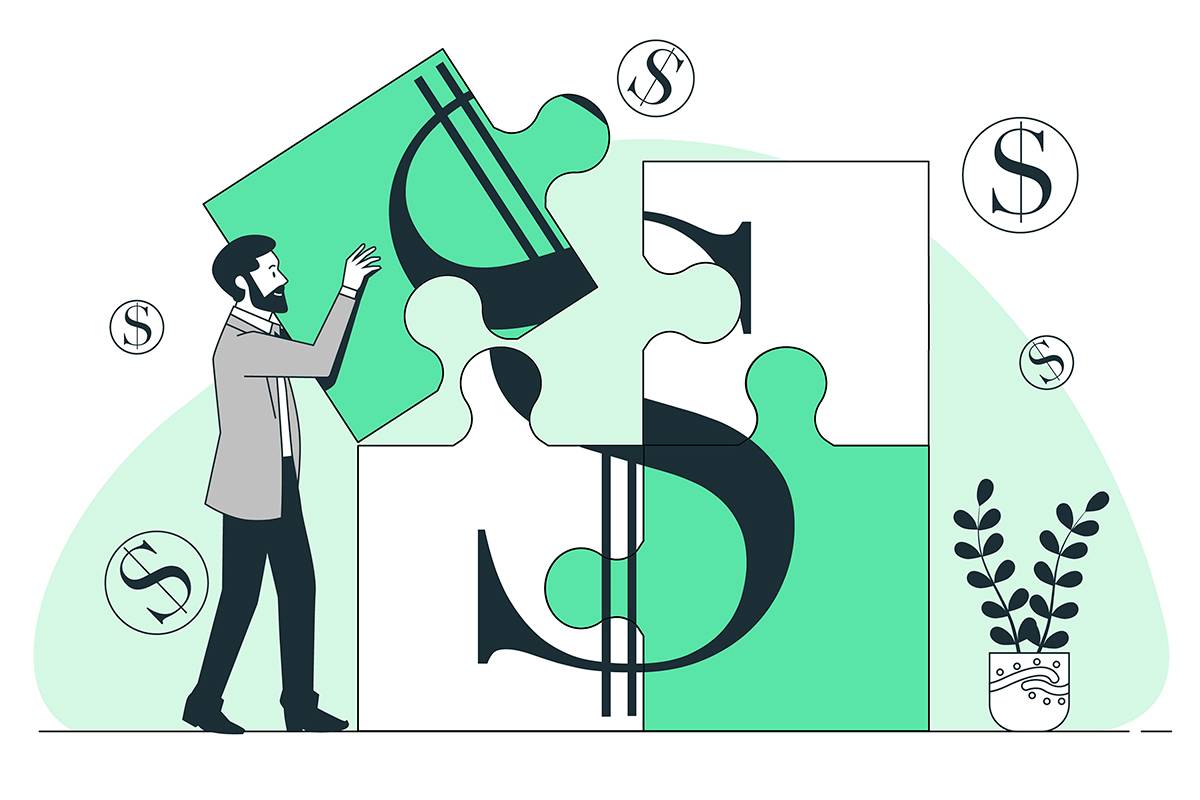
When you think about the price of design, imagine it as a puzzle consisting of different pieces. To get the whole picture, you must consider multiple factors. The complexity of the design, the number of iterations, the industry type, the scope of work, the timeframe - all these are puzzle pieces that will affect the final price.
Let's take logo design, for example. When a designer approaches creating your distinctive visual identity, rthey think about your brand, target audience, industry, and trends. It's not just drawing pictures - it's creating your unique mark in the digital world.
Regarding prices, they vary depending on the experience and skills of the designer. Young talents might offer more affordable options, while seasoned masters enjoy well-deserved fees. Remember, a good logo isn't an expense; it's an investment in long-term recognition.
Moving on to packaging design - a playground for creativity. The price of this type of design depends on size, materials, printing techniques, and complexity. Just imagine the effort that goes into creating a box that stands out on shelves and catches consumers' eyes. It's not an easy task, but the result is worth every penny invested.
KWhen it comes to billing in the world of graphic design, we could say that there's a colorful palette of approaches, but some approaches aren't as glamorous as they may seem at first glance.
Some designers like to use the stopwatch, charging their services by the hour. However, this approach can be slippery terrain - especially for clients. Imagine paying a designer who struggles with inspiration or lingers over coffee. Yes, it can quickly become a nightmare, and not a cheap one.
Many designers opt for a fixed price per project. This approach is often clearer and more predictable for the client. When you know the exact amount upfront, you avoid unpleasant surprises at the end. Of course, this requires careful definition of the project scope before starting.
Some designers use a hybrid approach, combining hourly and project-based billing. This can be a good compromise, especially when the project may undergo changes that weren't foreseen at the outset..
Charging by the hour may seem fair at first glance, but reality can be different. Different designers have different working speeds, and the quality of output doesn't always depend on the time spent on it. Clients sometimes feel like they're paying more for slow work, and that's not a situation that will bring satisfaction to either party.
When negotiating with a designer, clarify all details about the billing method. If you opt for hourly billing, be aware of potential challenges and set clear boundaries. On the other hand, a fixed price per project often provides greater security.

When talking to a designer, ask the right questions. Clarify your needs, expectations, and deadlines. This will help the designer provide a more accurate cost estimate.
The first step in the design process is understanding your vision. The designer will ask you about the character, tone, and values of your brand. This helps in creating a design that reflects the essence of your company.
Do you expect a minimalist design or something more eclectic? Clearly defined expectations allow the designer to tailor their work to your needs, which can affect the final price.
A professional studio will ask you about the goals you want to achieve with the design. Do you want to attract a new audience, refresh an existing brand, or something else? Asking such questions helps guide the design process.
Knowing the competition is crucial for creating a unique design. The designer will ask you about your main competitors and what makes them special, in order to avoid similarities and emphasize uniqueness.
Time is money, especially in the world of design. Asking about deadlines helps the designer plan their time and resources. The urgency of the project can affect the price, so it's important to be transparent about your expectations.
When you answer these questions, you're not only clarifying your needs but also enabling the designer to provide a more accurate cost estimate.
Good design stems from clear understanding and collaboration, and asking the right questions is the key to unlocking creative potential.
In this discussion about prices in graphic design, you've noticed that we didn't mention specific figures. The reason for that lies in the vast range of prices you can expect in this industry. However, before you think that hiring a professional design studio is expensive, consider one thing: how much does it cost you to engage an amateur?
Amateurs, while they may offer attractive prices, often come with risks. Lack of experience can lead to ineffective design, wasted time and energy, and ultimately, loss of money. With a professional design studio, you're paying for experience, expertise, and the assurance that the result will meet your expectations.
recognition, and long-term success. So, before you opt for the cheaper option, think about the value you want to receive. Because as the old saying goes, "Good design is good business," and the price of professional design is often less than the cost of mistakes amateurs can make.
If you're interested in specific graphic design prices, contact us.